Middle East Market Shift: Interpreting the GCC Final Anti-Dumping Duty on Chinese Sanitary Ware
In 2025, China’s sanitary ware export landscape underwent a profound “stress test.” The Gulf Cooperation Council (GCC) issued a final anti-dumping ruling on sanitary ceramic products originating from or exported from China and India, with a maximum duty rate of 51%. For a Middle East export market that had been booming, this is a severe test and a reshaping of the landscape.
1. Timeline: An Investigation Lasting More Than a Year
October 2024: the GCC issued a preliminary anti-dumping ruling on Chinese ceramic sanitary ware, with a maximum rate of about 45%; June 1, 2025: the GCC Secretariat officially announced final anti-dumping duties on sanitary ceramic products from China and India, with a maximum of 51% (another estimate: 45%); September 22, 2025: the UAE began levying ad valorem duties on a CIF basis per the ministerial committee decision, valid for no more than five years. The scope covers ceramic washbasins, bathtubs, toilets, flush tanks, urinals and other common sanitary ware.
2. The “Differentiated Logic” Behind the Rates
Notably, Indian sampled companies face rates between 15% and 70%, and the maximum 51% rate typically applies to “non-cooperating” companies. This shows that companies that actively respond, declare truthfully and cooperate with the investigation can often secure individual rates far below punitive levels — a clear action guide for Chinese exporters.
3. A New Export Landscape Under Multi-Line Pressure
The anti-dumping duty is not an isolated event. Combined with high U.S. tariffs on Chinese goods, EU CE compliance, and the removal of China’s ceramic export tax rebate, Chinese sanitary exports face “multi-line pressure”: weakened price advantage, rising compliance costs and greater channel uncertainty.
4. Four Parallel Responses
Respond and litigate: actively responding to secure an individual/lower rate is the best current option; Market diversification: accelerate expansion into Southeast Asia, Africa, Central Asia and Latin America to disperse single-market risk; Localized production: leading companies have already set up plants overseas (e.g., Pakistan, Thailand and African bases) to circumvent tariff barriers; Product upgrade: shift from “low price, high volume” to “quality plus brand” to build irreplaceability.
5. Hardware Supporting: A Structural Opportunity Amid Challenges
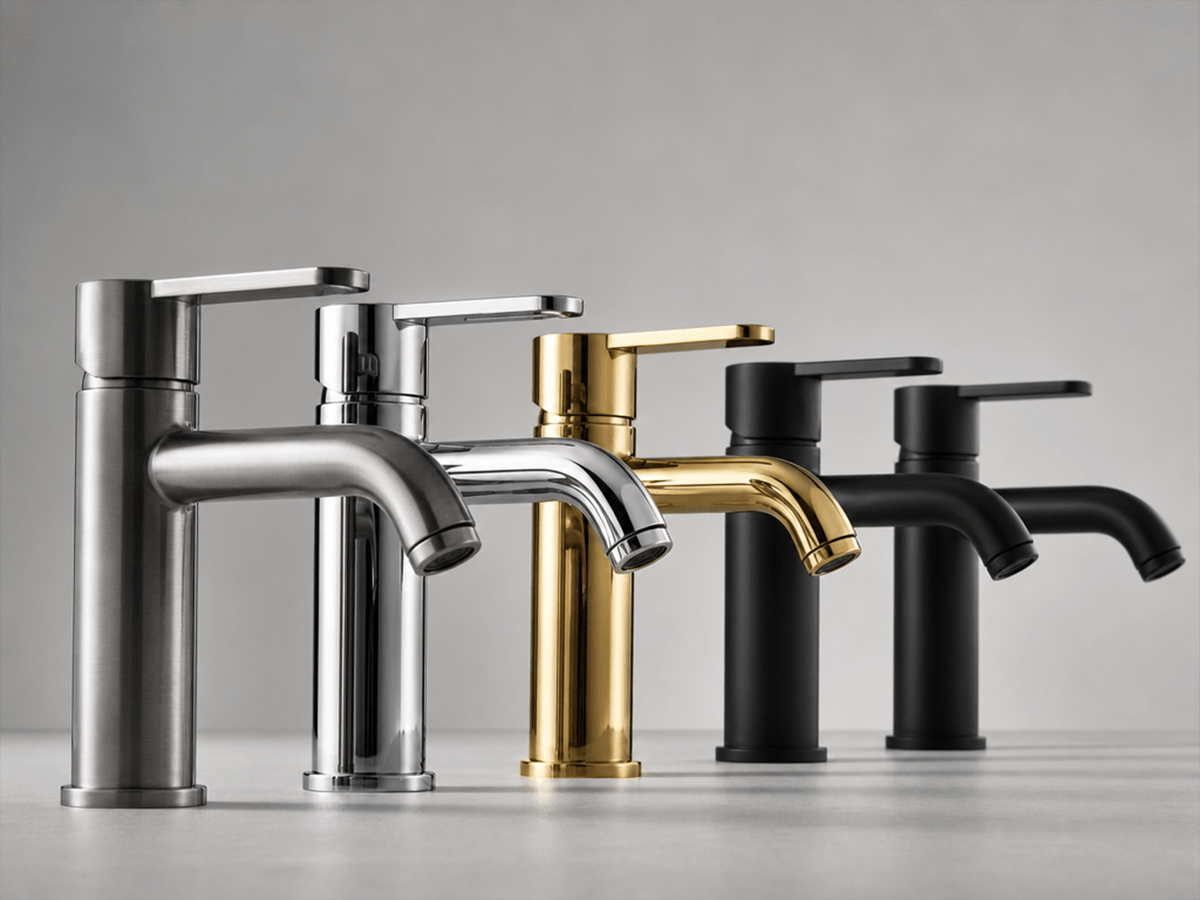
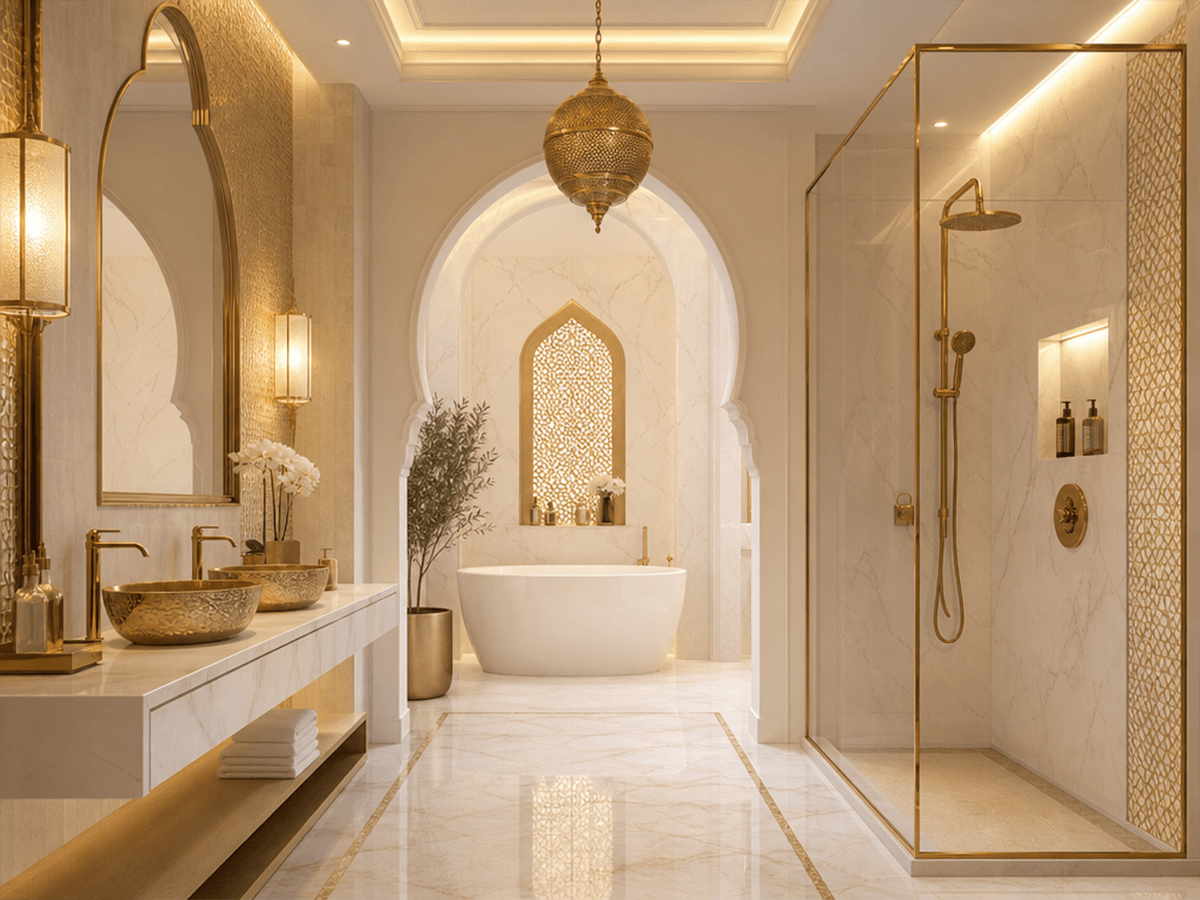
Importantly, this anti-dumping action mainly targets sanitary ceramics; faucets, cartridges and showers are not included. Since Middle East customers generally seek “complete bathroom solutions,” this precisely opens a structural opportunity for supporting hardware such as faucets, cartridges and shower systems — whoever supplies reliable complete packages will win new orders amid the shift.
6. FangHong: Meeting the Shift with Hardware Strengths
FangHong focuses on hardware products such as faucets, push-and-turn cartridges and shower systems (not sanitary ceramics), so the direct impact of this ceramic anti-dumping duty is limited. Meanwhile, our complete bathroom supporting capability allows us to help customers develop the Middle East and diversified markets, moving forward steadily amid export changes.
Outlook
Trade friction is cyclical; product and market diversification are long-term. Facing the Middle East shift, Chinese sanitary ware must respond, diversify and upgrade simultaneously to turn “challenges” into “opportunities.”